Silicone vs Rubber: EPDM, NBR, FKM and Silicone Compared
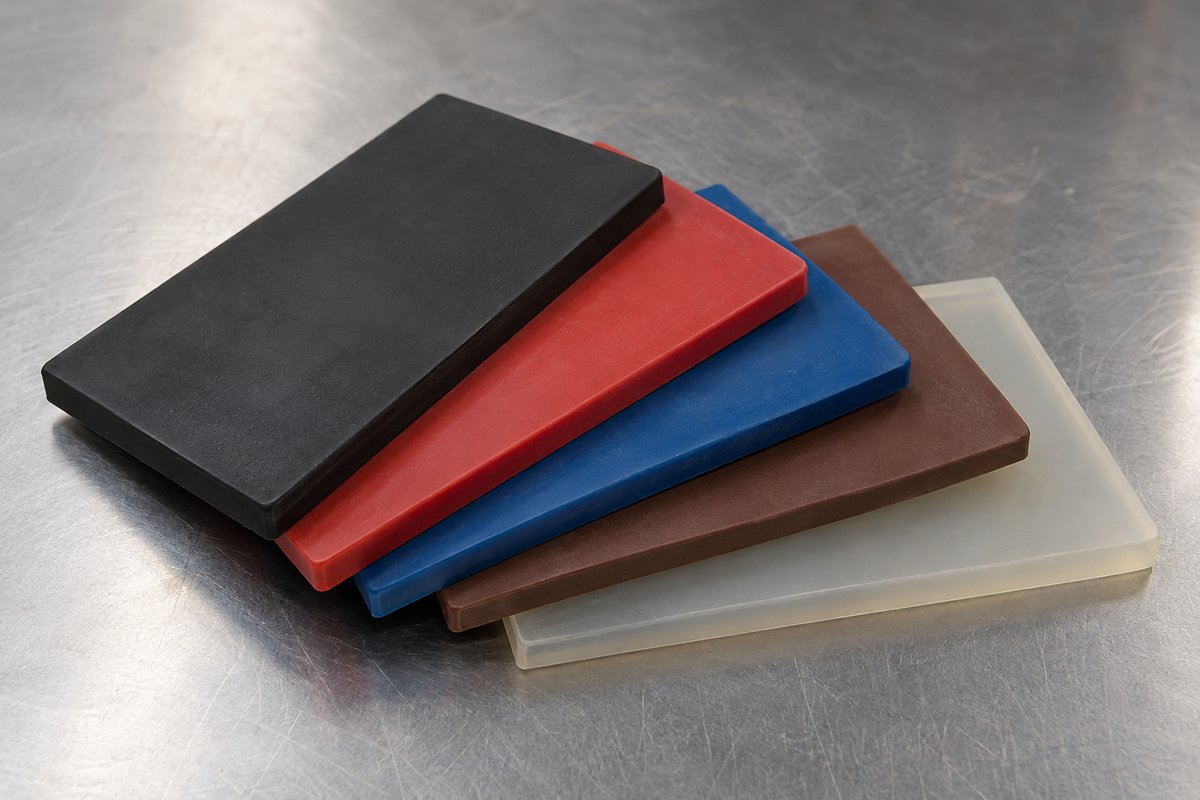
"Silicone vs rubber" is really a comparison between silicone and other elastomers. Silicone is one type of rubber; EPDM, NBR (nitrile), FKM, neoprene and natural rubber are others. Each resists different temperatures and fluids, so the right choice comes from the operating conditions.
Rubber materials compared
| Material | Typical temperature range* | Oils & fuels | Weather & ozone | Water & steam | Relative cost |
|---|---|---|---|---|---|
| Silicone (VMQ) | about −60 to +200 °C | Poor | Excellent | Good | Medium–high |
| EPDM | about −50 to +150 °C | Poor | Excellent | Excellent | Low–medium |
| NBR (nitrile) | about −30 to +100 °C | Excellent | Poor | Good | Low |
| HNBR | about −30 to +150 °C | Excellent | Good | Good | Medium–high |
| FKM (fluoroelastomer) | about −20 to +200 °C or higher | Excellent | Excellent | Fair–good | High |
| CR (neoprene) | about −40 to +100 °C | Fair | Good | Good | Medium |
| NR (natural rubber) | about −50 to +80 °C | Poor | Poor | Good | Low |
*Typical ranges for general grades; actual limits depend on the compound, the medium and the duty cycle. Confirm with the compound data sheet.
Silicone vs EPDM
Both handle weather, ozone and water well. Silicone has the wider temperature range and food/medical grades, but lower tear strength and higher cost. EPDM is tougher and cheaper and excellent with water and steam, so it is the default for outdoor and water-system seals that do not see extreme heat.
NBR vs EPDM
These two are almost opposites. NBR resists oils and fuels but cracks in sunlight and ozone. EPDM resists weather and water but swells in oil. If a seal touches oil, choose NBR (or FKM/HNBR for heat); if it is outdoors or in water, choose EPDM.
When FKM is worth the cost
FKM is chosen for high temperatures combined with fuels, oils or aggressive chemicals — engines, chemical processing and semiconductor equipment. Its main limitations are cost and reduced flexibility at low temperatures.
Quick selection
| Condition | First choice |
|---|---|
| Oil, fuel, hydraulic fluid | NBR (FKM or HNBR if hot) |
| Outdoor, sunlight, ozone, water, steam | EPDM |
| Wide temperature range, food or medical contact | Silicone |
| High temperature with chemicals or fuels | FKM |
| General purpose, moderate oil and weather | CR (neoprene) |
FAQ
Is silicone better than rubber?
Silicone is a type of rubber. It is better for extreme temperatures and food or medical contact, but weaker in tear strength and poor with fuels and oils. EPDM, NBR or FKM can be the better choice depending on the fluids involved.
Which rubber is best for oil resistance?
NBR is the standard oil-resistant rubber. For higher temperatures or aggressive fuels, HNBR or FKM are used.
Which rubber is best for outdoor use?
EPDM is the usual choice for outdoor seals because of its weather and ozone resistance. Silicone also performs well outdoors.